Home › Concrete Demolition and Removal
Our concrete demolition and removal services in Leesburg, VA safely break up and haul away old slabs, driveways, and patios. We use the right equipment to minimize disruption, then prepare the area for new concrete or landscaping. Let us handle the heavy work and disposal from start to finish.
Leesburg Concrete Company provides professional concrete removal throughout Leesburg, VA, Virginia and the surrounding area. Our licensed, insured crew delivers safe, clean, on-time work with a free estimate before anything begins. Call (571) 601-2614 or request your free quote.
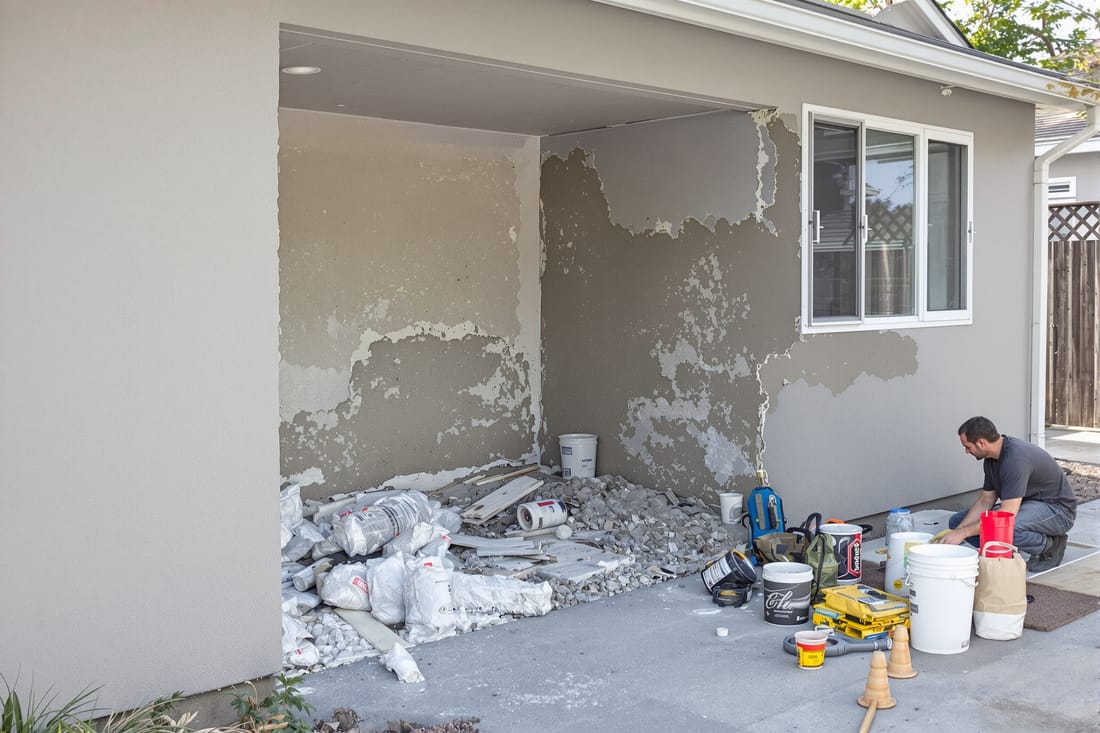
Concrete demolition and removal in Leesburg, done the right way
When you hire Leesburg Concrete Company for concrete demolition and removal, you are paying for methodical work, not guesswork. Before we touch a slab, we walk the site with you, look for utility markers, drainage paths, nearby structures, and access for equipment. We ask how the area will be used after removal so we can choose the right demolition method and leave the base in a condition that supports your next project.
For most residential projects in Leesburg and surrounding Loudoun County neighborhoods, we use a combination of saw cutting and mechanical breaking. We cut clean control lines along garages, foundations, and steps so the concrete breaks where we want it to and not into your brickwork or siding. In open areas like driveways or patios, we break the slab into manageable sections with hydraulic breakers sized to the job. Tight townhouse lots near downtown often require smaller, quieter equipment so we do not damage fences, decks, or shared features.
Concrete demolition is only half of the job. Proper removal is what keeps you from dealing with sinkholes, drainage problems, and HOA complaints later. We load broken concrete into trucks or containers on site, separate out any rebar or wire mesh, and haul everything to approved recycling or disposal facilities that serve Leesburg and the rest of Loudoun County. We never bury debris on site or leave you with unexpected piles to deal with later.
Step by step: how we remove concrete safely and efficiently
Every concrete removal project we handle follows a predictable process, adjusted to your property and schedule.
1) Site evaluation and planning. We confirm the slab thickness, whether there is rebar or wire mesh, and what sits directly next to the concrete. For older homes in Leesburg, we pay attention to possible shallow utilities, older clay or cast iron drain lines, and fragile masonry. If there is an existing permit or HOA approval tied to the original structure, we review it so demolition does not create compliance problems.
2) Utility locating and protection. We coordinate with Miss Utility of Virginia for public locates and ask you about known private lines, such as irrigation or low voltage lighting. We mark and, if needed, expose critical lines by hand before heavy equipment comes on site. We use plywood or matting to protect turf and landscaping where access is tight.
3) Controlled breaking. We choose between saw cutting, handheld electric hammers, or skid steer mounted breakers based on access, thickness, and noise considerations. In townhome communities and close quarters near Market Street, we often rely on lower impact methods and work within HOA quiet hours.
4) Load out and hauling. Broken concrete is moved immediately to keep the site clean and safe. We plan truck routes that work with Leesburg’s narrow streets and avoid blocking neighbors longer than necessary. On steep or limited access driveways, we sometimes stage material in one area and shuttle it out in smaller loads.
5) Subgrade assessment and rough grading. Once the concrete is gone, we look at the base material and soil. If it is soft, uneven, or holding water, we can remove unsuitable material, add stone, and regrade so you are ready for new concrete, pavers, or landscaping.
6) Final cleanup. We sweep or power blow the work area, collect stray debris and nails, and check for damage to adjacent features. If we used protective boards or coverings, we remove them and walk the site with you before leaving.
What drives concrete removal cost in Leesburg
Every homeowner wants to know what concrete removal will cost before committing. At Leesburg Concrete Company, we explain exactly what affects your price so there are no surprises.
Slab thickness and reinforcement are usually the biggest factors. A typical 4 inch sidewalk or patio without reinforcement comes out faster and cheaper than a 6 inch driveway with heavy rebar and wire mesh. Breaking and cutting through thick, reinforced concrete takes more time, heavier tools, and more hauling capacity.
Access is the second major cost driver. If we can back a truck or skid steer close to the work area, labor time goes down. In older Leesburg neighborhoods with narrow side yards, slopes, or no rear access, debris may need to be moved in smaller loads with wheelbarrows or compact equipment, which increases labor.
Hauling distance and disposal or recycling fees also matter. Concrete recycling facilities in the Northern Virginia region charge by weight and sometimes by contamination level, so clean concrete without soil, trash, or other debris is cheaper to dispose of than mixed loads. If you want us to separate and stockpile some of the material for reuse, such as large chunks for riprap or fill, that can lower hauling volume and cost.
Site conditions and risk add another layer. Working close to finished structures, pools, or underground utilities requires slower, more careful work and often more saw cutting and hand demolition. On sloped or unstable ground, we may need to add temporary shoring, additional labor, or different equipment to work safely.
Finally, timing and coordination can change pricing. If you schedule demolition to coincide with upcoming replacement work that we are also handling, we can often reduce costs by combining mobilizations and using the same crew and equipment across both phases.
Permits, HOAs, and local rules for concrete removal in Leesburg
In the Town of Leesburg and greater Loudoun County, not every concrete demolition job needs a permit, but some do. Leesburg Concrete Company helps you understand when paperwork is required and how to avoid hold ups.
Small surface replacements, such as removing and replacing a short residential walkway or a small patio that does not change drainage, typically do not trigger a structural building permit. However, work that connects directly to the public sidewalk, involves driveway aprons at the street, or affects curb and gutter may require approval from the Town of Leesburg and, in some cases, right of way permits. If your project touches the area between the sidewalk and the street, we advise verifying town requirements before demolition.
HOA rules in Leesburg communities like Lansdowne, River Creek, and many townhome developments often address exterior hardscape changes. Even if the county does not require a permit to remove your patio, your HOA may need an application and sketch that shows what is coming out and what will replace it. Some associations require that driveways remain paved and cannot be converted to gravel, which affects what you can do after removal.
We encourage you to share any HOA guidelines or prior approvals with us during the initial visit. This lets us plan access routes that comply with community rules on working hours, parking, and protection of common areas. If we are also installing new concrete, we can prepare simple layout drawings or descriptions that you can submit with your HOA application.
Noise and work hours are another local consideration. Leesburg and Loudoun County have quiet hours that limit when heavy equipment can operate. For most residential work, we plan demolition between mid morning and late afternoon on weekdays to keep you and your neighbors on good terms and to remain compliant with local ordinances.
Common concrete removal problems and how we prevent them
Concrete demolition looks simple until something goes wrong. Leesburg Concrete Company focuses on prevention because fixing damage after the fact is always more expensive.
One common issue is damage to adjacent structures. Old concrete often bonds to brick steps, foundation walls, or porch columns. If you simply attack it with a large breaker, the vibration can crack masonry and create water penetration points. We solve this by saw cutting separation joints, using smaller tools near sensitive areas, and sometimes leaving a thin buffer of material that we chip away by hand.
Hidden utilities are another frequent problem, especially in established Leesburg neighborhoods where renovations have been done in phases. Sprinkler lines, low voltage lighting wires, and sometimes even gas or electrical lines can be shallow and not recorded. Along with Miss Utility locates, we look for control boxes, hose bibbs, meter locations, and any surface clues that suggest hidden lines, then dig test holes where risk is high.
Subgrade failure after removal is a third concern. When an old slab is removed, poor soil or voids beneath become visible. If you plan to immediately install new concrete, pavers, or a shed on top of that area, ignoring these conditions can cause settling and cracking later. Our crews check for soft spots, organic material, and evidence of past water flow, then recommend compaction, replacement of unsuitable soils, or installation of a proper stone base before anything new is built.
Dust, debris, and tracking concrete into the house are practical problems we see often. We minimize dust by using wet cutting methods where appropriate and by keeping the site organized so broken pieces do not get crushed repeatedly into fine material. We place protective coverings at key access points and encourage you to keep doors and windows near the work area closed during active demolition.
Finally, partial demolition projects, such as removing only part of a driveway or patio, can create awkward elevations and trip hazards if not planned carefully. We discuss transition grades, step heights, and tie in points before we start, so the area is safe and usable until replacement work is complete.
How to prepare for your concrete demolition and what to expect on demolition day
Good preparation keeps concrete removal orderly and fast. Before Leesburg Concrete Company arrives, we ask that you clear vehicles from the driveway and nearby street parking so our trucks and equipment can get close to the work area. Move grills, planters, furniture, and play equipment away from the slab. If you have pets, plan to keep them inside or in a secure area while work is underway.
We confirm start time a day or two in advance and review any special instructions, such as which side of the house we should use for access or where we can stage equipment. On demolition day, our foreman will introduce the crew, walk the site with you, and confirm exactly what is being removed and what must be protected. If weather in Leesburg turns quickly, as it often does, we make real time decisions about whether to proceed, especially if heavy rain would leave you with a muddy, unusable area.
During demolition, expect intermittent noise and vibration. We work in stages to limit disruption, focusing first on the heaviest breaking and then on clean up and fine work near structures. If we are working in a tight neighborhood, we keep you informed so you can let neighbors know when the loudest work will occur.
Once the concrete is out and hauled away, we can leave the area rough graded or prepare it specifically for your next step. If we are also doing the replacement concrete, we typically coordinate so that removal and replacement occur within a short window to minimize downtime. If another contractor is handling the next phase, we can leave the site in a condition that matches their requirements, such as a compacted stone base or a clean, open excavation.
You receive a clear summary of what was completed, where the debris went, and what we found under the concrete. This might include notes about soil conditions, drainage paths, or any unexpected utilities. That information helps you and any future contractor make better decisions about how to build on the area we have just cleared.